How to Prevent Carbon Monoxide Poisoning at Home? A Guide Against the Silent Killer!
Carbon monoxide poisoning prevention is essential because this invisible gas can become a silent threat in your home.
Posted on 13/02/2026 at 23:01






Publicado el 13/02/2026 a las 23:01
- Invisible and deadly gas can provoke a silent death
- Flu-like symptoms
- Prevention saves lives
Carbon monoxide poisoning prevention is critical, as this silent danger sends thousands of people to emergency rooms across the United States each year and causes hundreds of accidental deaths.
This poisonous gas has no smell, color, or taste, making it a difficult threat to detect without proper safety measures.
However, most cases can be prevented if clear precautions are taken at home, especially during winter or power outages.
Below, we explain in simple terms what you should do — and what you should avoid — to keep your home safe.
How to Prevent Carbon Monoxide Poisoning at Home

What Is Carbon Monoxide and Why Can It Kill in Minutes?
Carbon monoxide (CO) is produced whenever fuels such as gas, oil, kerosene, wood, or coal are burned.
If appliances that use these fuels malfunction or are used incorrectly, they can release dangerous levels of gas inside the home.
It is especially risky for babies, older adults, people with anemia, and those with heart or respiratory conditions.
At high levels, it can cause death within minutes.
The Florida Tragedy: How Did This Fatal Poisoning Happen?

The risk is not theoretical.
A silent tragedy recently struck a Hispanic family in Ocala, Florida, where four members were found dead inside their home due to carbon monoxide poisoning.
According to the Marion County Sheriff’s Office, deputies responded to the residence shortly before 10:30 p.m. on Friday after receiving a call to conduct a welfare check on the family.
Inside the home, four people were found deceased: Yohan Sanchez, 33; Rebeca Santos, 37; Michael Melendez, 15; and Samuel Sanchez, just 2 years old.
The deaths of two adults and two minors, including a toddler, have caused deep shock within the community and among their relatives.
This case underscores how silent and lethal this gas can be when it accumulates inside a home — and why carbon monoxide poisoning prevention must never be overlooked.
What Are the Symptoms of Carbon Monoxide Poisoning?
The symptoms can easily be mistaken for the flu or an upset stomach.
Pay attention if several people in the home experience discomfort at the same time.
The most common symptoms include:
- Headache
- Dizziness
- Weakness
- Confusion
- Nausea or vomiting
- Chest pain
- Fatigue or fainting
If symptoms appear while indoors and improve after going outside for fresh air, carbon monoxide exposure could be the cause.
Are You Using Your Home Heating System Correctly?
During winter or power outages, risks increase. For effective carbon monoxide poisoning prevention:
- Do not use a gas stove or oven to heat your home.
- Never use charcoal grills or portable stoves indoors.
- Do not sleep in rooms with unvented heaters.
- Refill kerosene heaters outdoors only.
- Make sure fireplaces and vents are in good condition and free of blockages.
A blocked chimney can cause gas to accumulate inside the house.
Generators and Engines: Are You Placing Them in the Right Location?
One of the most dangerous mistakes occurs during power outages.
- Never use a generator inside the house, basement, garage, or carport.
- Place it outdoors only, far from windows and ventilation openings.
- Do not operate gasoline-powered engines in enclosed spaces.
Gas can accumulate quickly and cause loss of consciousness before a person has time to react.
Is It Safe to Leave Your Car Running in the Garage with the Door Open?

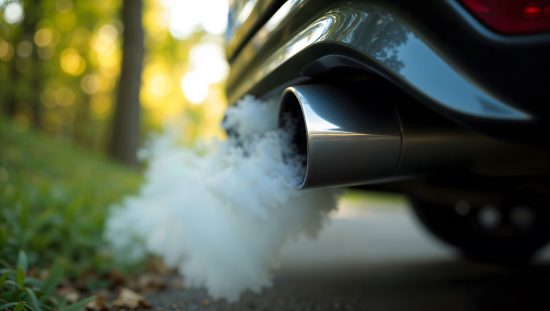
Do not leave your car running in the garage, even with the door open.
Fumes can seep into the home within minutes.
It is recommended to have your vehicle’s exhaust system inspected annually.
Carbon Monoxide Detectors: Are You Truly Protected?
Installing a carbon monoxide detector can alert you to dangerous levels.
Look for certified devices and replace the batteries regularly.
However, these devices do not replace proper maintenance of fuel-burning appliances.
The key to carbon monoxide poisoning prevention is consistent awareness and action
Inspect equipment at the start of each cold season, use generators and heating systems properly, and never ignore symptoms. These steps can make the difference between a scare and a tragedy.
Final warning: If you suspect someone has been poisoned, immediately move to fresh air, open doors and windows, turn off combustion appliances, and seek urgent medical attention. Acting quickly can save lives — call 911 immediately.
You May Be Interested In: They Missed Mass and That Raised Suspicion; Hispanic Family Fell Asleep and Were Found Dead the Next Morning
Have you already taken steps in your home toward carbon monoxide poisoning prevention?
SOURCE: Piedmont Medical Center / Washington State Department of Health / United States Environmental Protection Agency (EPA)
 Related post